
High-altitude medicine
ZONE OF KNOWLEDGE


DIABETES AND ALTITUDE
According to the American Diabetes Association, individuals with type I diabetes who properly control their blood glucose levels and have no diabetes-related complications can engage in all forms of physical activity (American Diabetes Association Position Statement – Diabetes Mellitus and Exercise, 2004). Between 1995 and 2005, around 50 climbers with type I diabetes participated in expeditions above 5500 m above sea level. PLANNING AND PREPARATION In remote areas, access to professional medical care is limited, therefore a diabetic is more reliant on their own knowledge and the preparation of the team. ➤ Traveling east shortens the day, so it is necessary to reduce the insulin dose on travel days. ➤ Traveling west lengthens the day, so the insulin dose should be increased. ➤ During long flights, it is essential to frequently monitor blood glucose levels. Individuals with type I diabetes acclimatize well and do not show a greater susceptibility to altitude sickness. People with proper blood glucose control and no vascular complications can engage in significant exertion, but changes in blood sugar levels should be monitored. Diabetics without neuropathy and vascular disorders are not more prone to frostbite or hypothermia, but they should take proper precautions against the cold. SELF-MONITORING AND EXPERIENCE A diabetic planning a mountain trip should: ➤ be able to independently monitor the amount of insulin administered, ➤ maintain proper blood glucose levels in the months leading up to the trip, ➤ have experience monitoring blood glucose during exertion at lower altitudes, ➤ manage hypoglycemia and hyperglycemia. Frequent insulin administration or the use of insulin pumps facilitates blood glucose control. Not every diabetic is suitable for a mountain trip – individuals who poorly control their blood sugar should not participate in high-altitude expeditions. Research has shown that physically fit diabetics control their blood glucose better than less active individuals. At high altitude, more frequent monitoring of blood glucose levels is recommended, as short-term drops or fluctuations in blood sugar can cause additional fatigue. ALTITUDE AND BLOOD GLUCOSE CONTROL At high altitude, there are factors complicating blood sugar control: ➤ Increased glucose demand – caused by high levels of stress hormones (cortisol, growth hormone), ➤ Unpredictable physical exertion – dependent on weather conditions and climbing difficulties, ➤ Decreased aerobic capacity – maximum aerobic effort decreases by ~1% for every 100 m above 1500 m above sea level, ➤ Inadequate carbohydrate intake – irregular meals and delayed carbohydrate absorption, ➤ Cold – increases energy expenditure, minimally affects blood glucose, ➤ Reduced insulin sensitivity, stress, fatigue, and symptoms of altitude sickness (AMS) can promote hypoglycemia. It is advisable to flexibly adjust the insulin dose based on exertion and the amount of carbohydrates consumed, and to safely administer insulin through clothing to avoid poor absorption by cold skin. GLUCOMETERS AND INSULIN PUMPS ➤ Some glucometers may malfunction at high altitude due to low pressure, cold, high temperatures, or low humidity. ➤ High blood concentration may lead to underestimating blood glucose values. ➤ Insulin pumps are recommended for use up to 2300 m above sea level, although in practice, climbers on Aconcagua have used pumps at higher altitudes. KETOACIDOSIS Ketoacidosis may be caused by: ➤ improper reduction or cessation of insulin intake, ➤ insufficient meal intake, ➤ absorption disorders, infections, severe altitude sickness, ➤ dehydration or erroneous glucometer readings, ➤ exposure of insulin to excessively high temperatures, ➤ continuing physical exertion despite the presence of ketonuria – ketonuria is an absolute contraindication to physical activity. KEY RECOMMENDATIONS BEFORE THE EXPEDITION ➤ Choose climbing routes according to your abilities. ➤ Bring extra supplies of insulin, glucagon, glucometers, and fast-absorbing carbohydrates. ➤ Consider alternative methods for assessing blood glucose (colorimetric strips, glucometer, insulin syringes). ➤ Bring a ketometer and strips for measuring ketone bodies. ➤ Plan your diet according to the available food on the expedition. ➤ Check blood glucose control during training in various conditions. ➤ Before the trip, visit an ophthalmologist – diabetic retinopathy is a relative contraindication to high altitude. ➤ Perform a retinal vessel angiogram if ischemic or proliferative changes are suspected. KEY RECOMMENDATIONS FOR THE EXPEDITION ➤ Train partners on how to respond to hypoglycemia and how to administer glucagon. ➤ Climb with people who are aware of your condition and first aid principles. ➤ Carry a procedure guide for loss of consciousness (in Polish, English, and the language of the expedition country). ➤ Carry glucose, glucagon, and a glucometer. ➤ Carry quickly absorbable carbohydrates (bars, dextrose tablets). ➤ Protect insulin from freezing and excessive heat. ➤ Frequently monitor blood glucose and adjust therapy. ➤ Calculate doses of insulin, carbohydrates, and exercise. ➤ Maintain blood glucose levels between 100–200 mg/dL. ➤ Remember that exercise decreases, while rest increases insulin requirements. ➤ Recognize early symptoms of hypoglycemia and hyperglycemia. ➤ Never stop insulin therapy. ➤ Take used strips and syringes with you. ➤ Avoid infections. ➤ Acclimatize slowly. ➤ Consciously observe cognitive functions and assess your condition at altitude. ➤ Avoid using acetazolamide – it may lead to ketoacidosis. ➤ Be aware that HAPE and HACE can complicate blood glucose control. BIBLIOGRAPHY • Travel at High Altitude – www.medex.org.uk • K. Mieske et al., Journeys to High Altitude—Risks and Recommendations for Travelers with Preexisting Medical Conditions, Journal of Travel Medicine, 2010; 17(1): 48–62 • Conxita Leal, Going High with Type 1 Diabetes, High Altitude Medicine & Biology, 2005; 6(1): 14–21 • Pieter de Mol et al., Physical activity at altitude: challenges for people with diabetes: a review, Diabetes Care, 2014; 37: 2404–2413 ------- WANT TO LEARN MORE? If you want to better prepare health-wise for trekking or high-altitude expeditions, you can find the extended version of the guide in the ebook "High Altitude Medicine in Practice – A Guide for Trekking and Expeditions" >> ----- You can also learn practical knowledge about emergency procedures in the mountains in the online training "High Altitude First Aid" >> - designed for those planning trips to high altitudes. ----- The detailed contents of an expedition first aid kit and precise instructions for preparing an expedition kit and personal rescue set can be found in the ebook "Expedition First Aid Kit – A Complete Medical Guide" >> PLANNING A TREK OR A HIGH-ALTITUDE EXPEDITION? If you want to check whether your health condition allows you to safely participate in trekking or a high-altitude expedition, it is advisable to consult a doctor >> or a telemedicine expedition package >> This way, you can assess health risks in advance, prepare appropriately for the trip, and increase safety while at altitude.
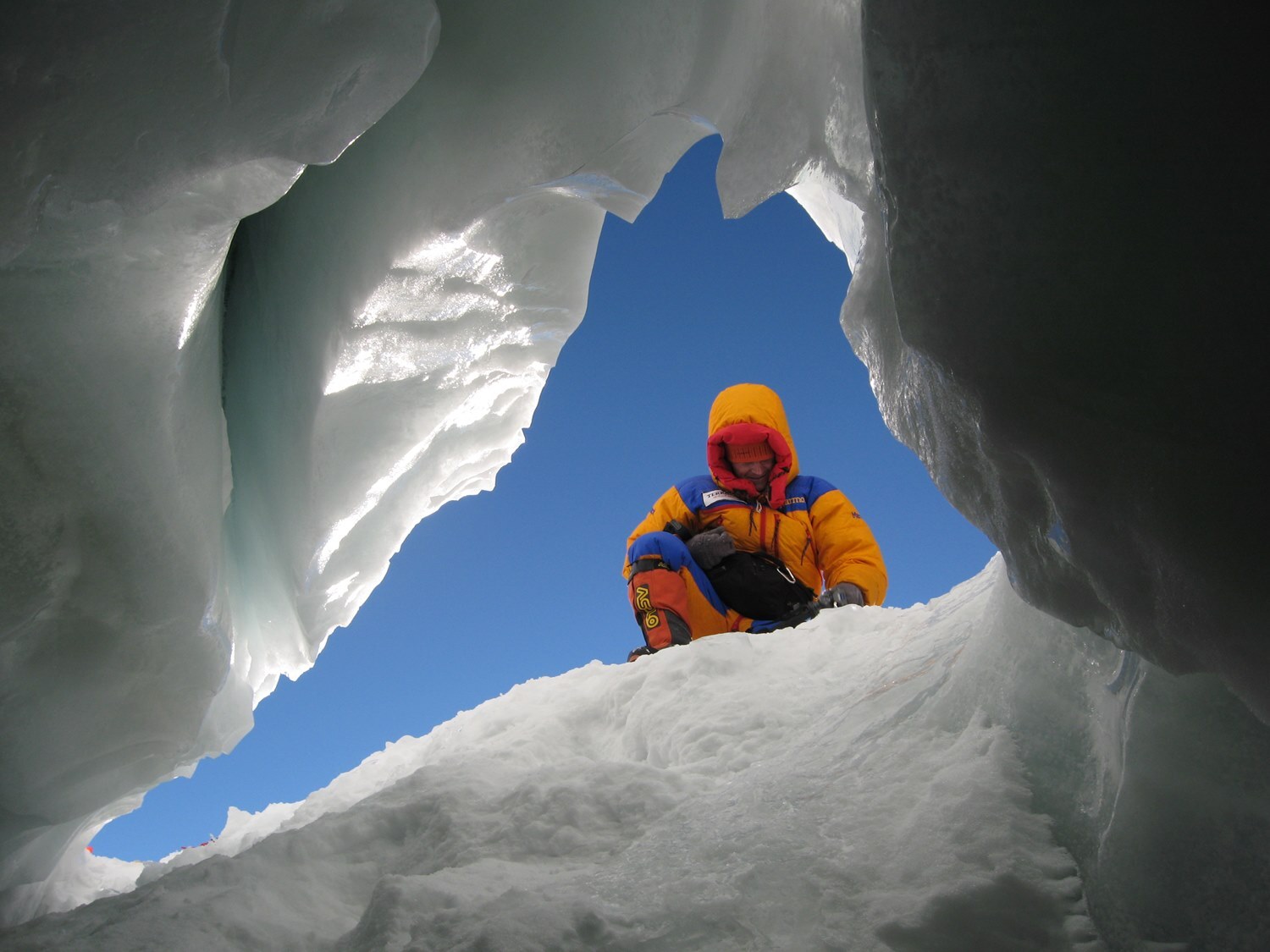
The company was established in 2004. The goal of MedEverest is education in the field of mountain medicine and the dangers of high altitudes. I deal with all medical aspects of staying at high altitude. I organize medical support for trekking and high-altitude expeditions.
Specialist Medical Practice Medeverest Robert Szymczak based in Gdańsk (80-360), at ul. Bolesława Krzywoustego 19F, NIP: 5841943576, REGON: 220148318.
All rights reserved. Copying content and photos is prohibited. Information obligation before consenting to data processing.(see).
Also checkStore regulations >> Implementation: ColinMedia.eu >>